W-Sitting Explained: What It Tells Us About a Child’s Development
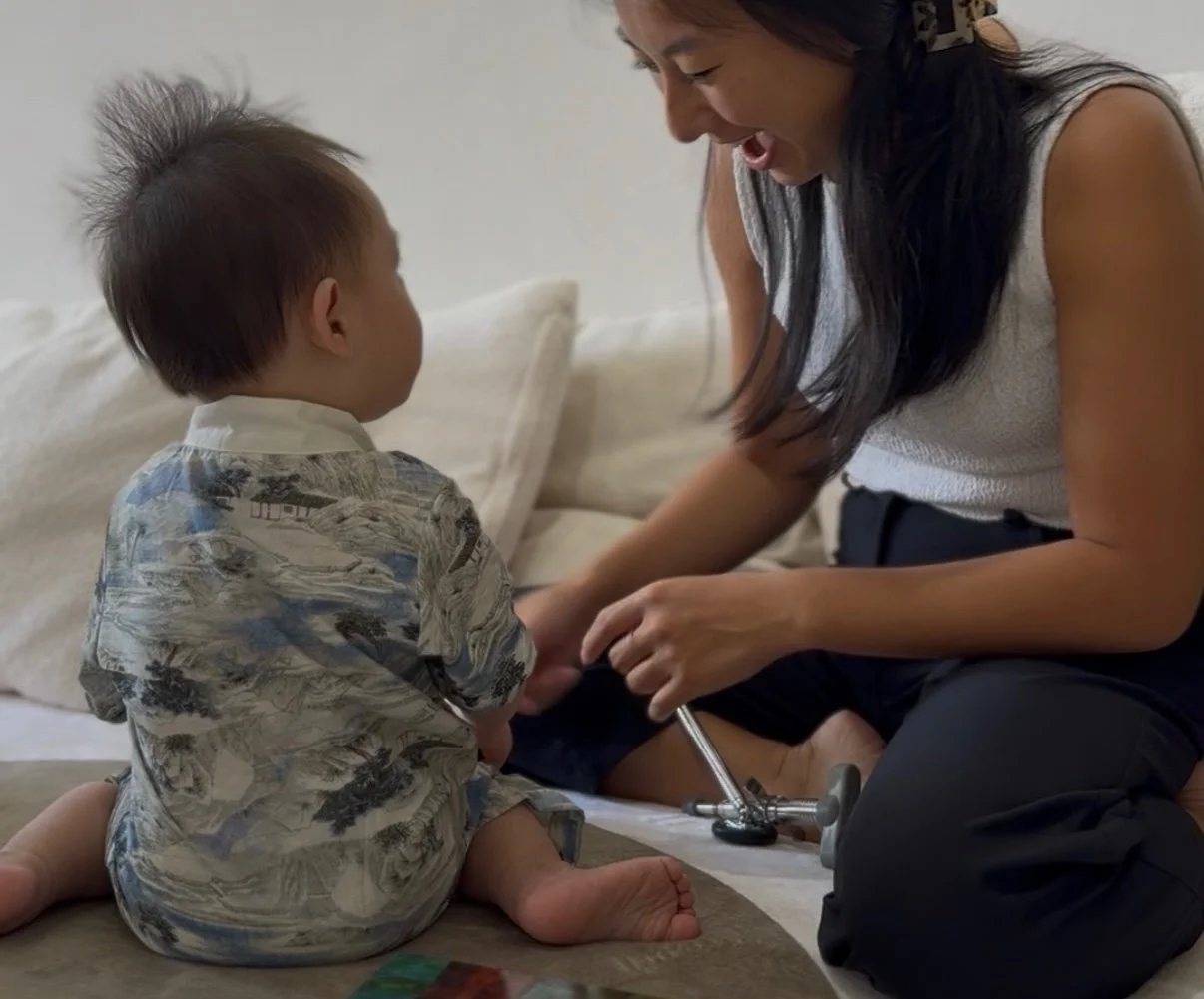
If you’ve spent time around young children, chances are you’ve seen it or are seeing it daily in your own home.
Your child drops to the floor to play, legs tucked out to the sides in a neat little “W.” They look comfortable. Focused. Completely unbothered.
And then someone says, “You should stop them from sitting like that.”
Suddenly, a very ordinary moment turns into a question mark.
Is W-sitting bad?
Should I correct it every time?
What does it actually mean for my child’s development?
The truth is, W-sitting in children is extremely common, especially between the ages of one and five. Like many things in childhood, it’s not the position itself that matters most, it’s why a child chooses it and how often they rely on it.
What Is W-Sitting?
W-sitting describes a sitting position where a child sits on the floor with their bottom between their legs, knees bent and feet positioned out to the sides, forming a “W” shape when viewed from above.
From the outside, it can look awkward or concerning. From a child’s perspective, it often feels very stable.
And that sense of stability is key.
Why Do So Many Children W-Sit?
Children don’t choose sitting positions randomly. They choose what feels easiest and most secure for their bodies.
W-sitting offers:
A wide base of support
Minimal need for balance
Less demand on core strength
An easier transition to sit when learning to crawl
For a child who is still developing coordination, strength, and postural control, this position can feel like the most efficient option, especially during focused play.
In other words, W-sitting is often a strategy, not a problem.
When W-Sitting Is Occasional
If your child occasionally W-sits but also comfortably sits cross-legged, side-sits, squats, kneels, or changes positions often, this is usually not a cause for concern.
Movement variety matters more than any single posture.
Children who move freely in and out of positions are exploring their bodies and building awareness, even if W-sitting appears from time to time.
When W-Sitting Becomes a Pattern
W-sitting becomes more relevant when it is:
A child’s preferred or only sitting position
Difficult for them to move out of without help
Accompanied by stiffness, clumsiness or asymmetry
In these cases, W-sitting may offer clues about how a child’s body is managing balance, strength, and coordination.
This is where movement and posture patterns become important.
What W-Sitting Can Tell Us About Development
Rather than viewing W-sitting as “good” or “bad,” it’s more helpful to ask what it might be supporting or compensating for.
Some children rely on W-sitting because:
Core muscles are still developing
Balance feels challenging in other positions
There is reduced awareness of midline or body positioning
Certain movement patterns feel harder to access
W-sitting allows them to feel grounded without needing to engage muscles that are still learning to coordinate.
Again, this isn’t a failure - it’s information.
Child Sitting Posture and the Nervous System
Posture is not just about muscles and joints. It is deeply connected to the nervous system.
The nervous system coordinates:
Muscle tone
Balance responses
Movement sequencing
Postural control
When these systems are still organising, a child may default to positions that feel more secure.
This is why simply telling a child to “sit properly” often doesn’t work. Without the underlying capacity, the body will return to what feels easiest.
Should Parents Constantly Correct W-Sitting?
This is where many parents feel stuck.
Constantly correcting a child can:
Create frustration for both parent and child
Draw unnecessary attention to the posture
Miss the bigger picture
Instead of repeatedly stopping the behaviour, a gentler approach is to offer alternatives and encourage movement variety.
Simple cues like:
“Criss-cross apple sauce”
“Can you sit with your legs this way?”
“Let’s stand up and shake it out”
These invite change without pressure.
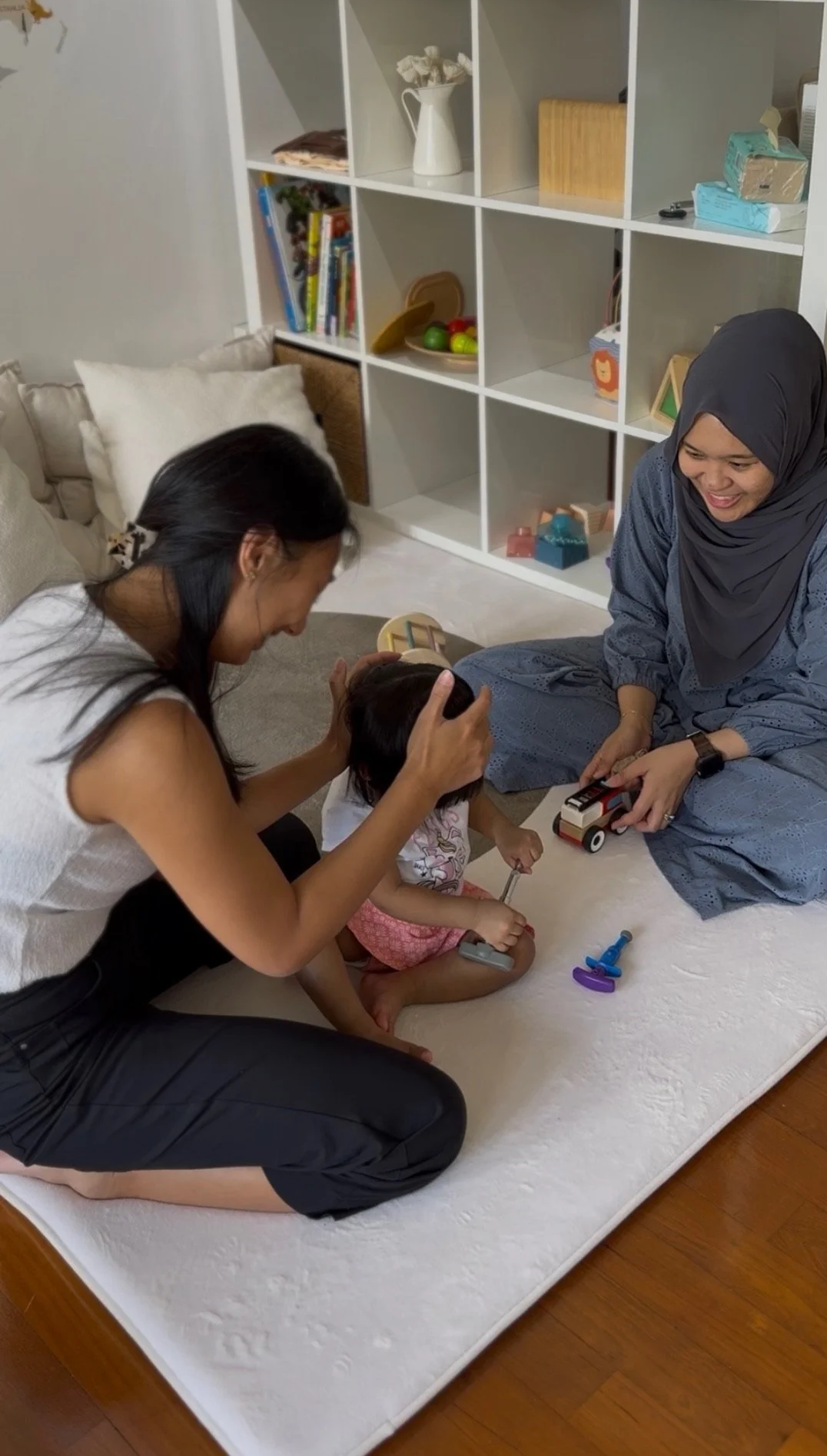
When Additional Support May Help
If W-sitting is persistent and accompanied by other signs, it may be helpful to seek further support.
Parents may notice:
Frequent tripping or falling
Avoidance of certain movements
One-sided preferences
Difficulty with transitions between positions
Toes pointing in when walking
Knock knees
A nervous system–centred assessment looks at how the body is organising movement, not just the posture itself.
At Purely Family Chiropractic, care focuses on supporting the nervous system and reducing tension that may be influencing how a child moves and stabilises.
Supporting Healthy Movement Patterns at Home
You don’t need to eliminate W-sitting to support development.
Helpful strategies include:
Encouraging floor play in varied positions
Allowing plenty of movement breaks
Avoiding prolonged sitting in any one posture
Letting children climb, crawl, and explore
Children learn through movement. The more varied their movement experiences, the more adaptable their posture becomes.
A Reassuring Takeaway for Parents
Seeing your child W-sit does not mean something is wrong.
It means their body is choosing stability while it learns how to coordinate strength, balance and posture all at the same time.
Rather than focusing on the position itself, paying attention to overall movement variety and ease can offer far more insight into your child’s development.
And if you ever feel unsure, curious, or simply want reassurance, seeking a calm, development-centred perspective can help you understand what your child’s body is communicating - book a session today.