Real Stories from Our Chiropractic Space: Moments that Inspire Family Care
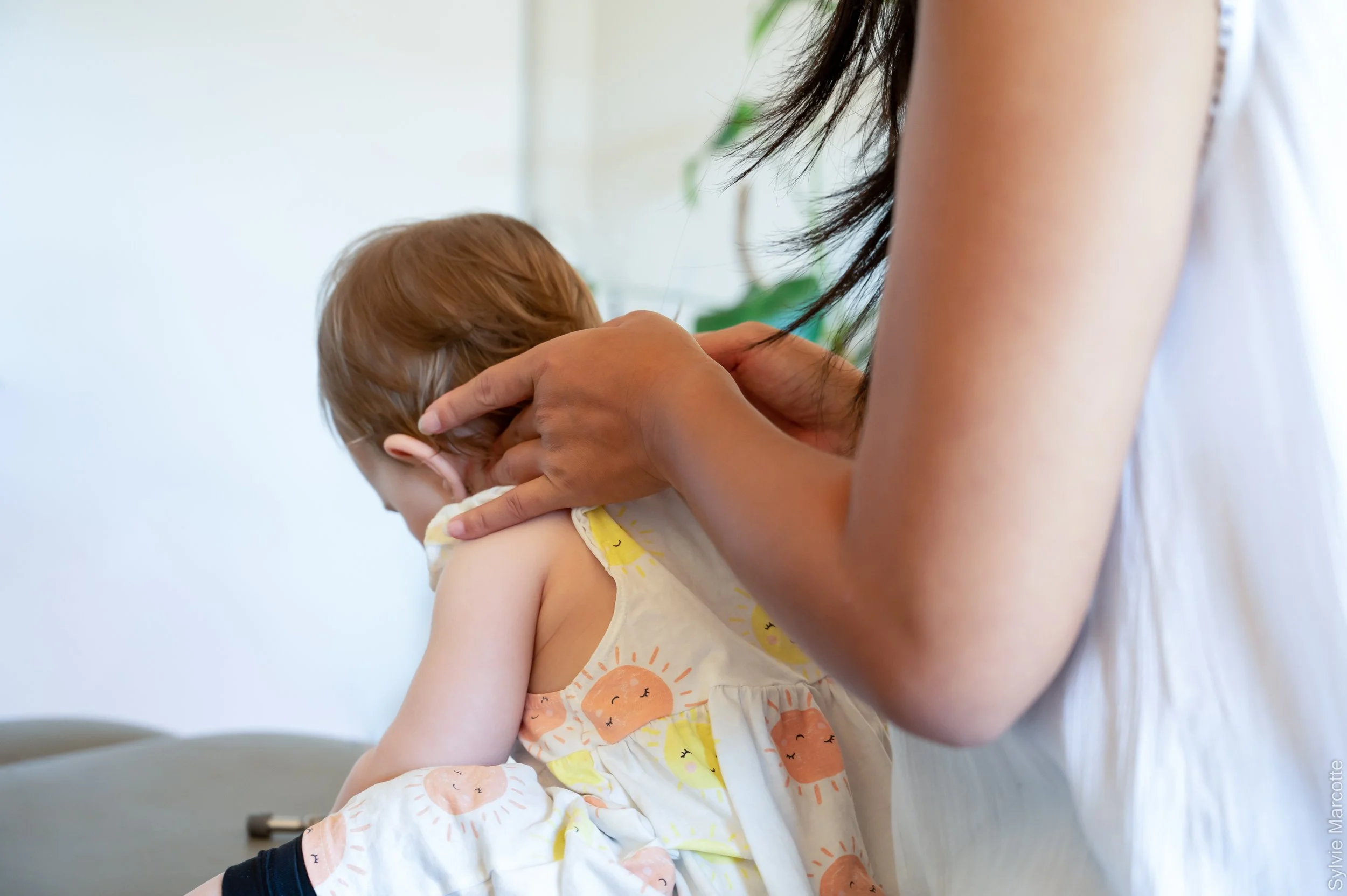
There are days in the practice when the room feels almost still, like everyone’s nervous systems are just waiting for permission to settle. And then there are days when a child walks in, full of tiny clues their body has been whispering for months… and those become the moments that remind me why I chose this work.
As a female paediatric chiropractor supporting families through all kinds of seasons, I’ve learned this: every child tells a story through their nervous system. And when we see them as whole beings (not just symptoms, milestones or behaviours) something shifts for everyone in the family unit.
Here are a few stories (told gently and with privacy protected) that continue to shape the way I show up for families in Singapore.
1. The child who couldn’t stop blinking
He was six, bright, funny, and trying very hard to pretend the blinking wasn’t bothering him. His mum sat down with the weight of someone who had already Googled too much.
What she didn’t expect was for me to ask about his sleep, his school routine, and the family’s recent stress.
Because tics often appear when the nervous system slips into a sympathetic state, that “on alert” mode where little bodies work harder than they should.
With gentle adjustments, nervous system-focused care, and a few shifts in home rhythm, his blinking softened. Weeks later, he ran in, eyes wide and relaxed.
2. A baby with infantile spasms and a mother who hadn’t exhaled in months
This little one arrived in my space wrapped tightly in her mum’s arms. Infantile spasms are complex, and my role wasn’t to replace medical support but to care for the baby’s comfort, ease, and nervous system function in the safest, most respectful way.
She startled often. Her back stayed rigid. Her mum didn’t even realise she was holding her own breath.
What shifted wasn’t dramatic. It was quiet changes throughout the following months: softening in the neck, more fluid movement in the spine, a few minutes of deeper sleep during feeds.
Her mum told me, “I finally feel like she’s not fighting her body all the time.”
And sometimes that’s the beginning of everything. She was able to sit properly and now walks after showing delayed signs.
3. The toddler who didn’t crawl “on time”
Milestones aren’t a race… but try telling that to a parent surrounded by comparison charts.
This little boy bum-shuffled across the room with full confidence, and honestly, I loved his style. But his parents were worried because crawling is such an important stage for brain development, coordination, and cross-body integration.
Underneath his delays was tension, especially through his hips and low spine. His body had found a workaround, not a preference.
With paediatric chiropractic adjustments and play-based home exercises, he eventually transitioned from shuffle… to rock… to crawl. His mum sent a video of him chasing the family cat (the cat was less thrilled than we were).
Milestones unfold differently when the body feels safe.
4. A little girl struggling to latch
Her mum had seen a lactation consultant (one of my favourite collaborations), explored positioning, and even changed feeding pillows, but latching still felt like a battle.
When I checked her, I noticed subtle tension through her jaw, tongue, and upper cervical spine - areas that play a huge role in oral function and full-body connection during feeding.
After a few sessions, her latch improved, feeds became calmer, and both mum and baby looked like they could finally enjoy each other again.
Feeding isn’t just about the mouth, it’s a whole-body experience. (Read previous blog here)
5. The baby who only pooped every 10 days
Constipation in infants can be surprisingly common, but not normal. And as mums often confess (sometimes whispering), “We’ve tried everything.”
This little one arrived with a bloated belly, tight hips and a nervous system constantly bracing.
After assessing his spine and sacrum, we worked gently to release the areas affecting his gut motility. The parents messaged me that evening: “She exploded. Twice.”
Their relief was bigger than the diaper clean-up, I promise.
When digestion slows, it’s often the body’s way of telling us it needs more ease.
6. The head shape that changed a family’s rhythm
Plagiocephaly isn’t just about head shape, it’s about how babies carry tension, turn their heads, use their neck muscles and meet their world.
This little boy always looked to the right, almost like he had a favourite side of the room. His parents were doing all the right stretches, but something still felt stuck.
His upper neck was holding tightly, and his body had learned to rotate only one way. With gentle adjustments, repositioning strategies, and tummy-time tips that actually worked for their daily routine, his head shape gradually rounded out and the best part was watching him discover the whole world on his left side.
Sometimes a shift in movement changes the rhythm of the entire home.
Why these stories matter
Behind every adjustment is a family dynamic shifting. We see parents breathing easier, siblings understanding more, babies resting deeper, children becoming more comfortable in their own skin.
Paediatric chiropractic care isn’t about “fixing.”
It’s about connection.
Supporting the nervous system.
And helping families rediscover their own rhythm.
Every story in our chiropractic space at Purely Family Chiropractic is a reminder that healing doesn’t need to be loud to be powerful. It can be gentle, precise and incredibly human.
If you ever feel like your child is holding tension (physically, emotionally, or somewhere in between) you’re welcome to reach out. Sometimes clarity begins with a conversation, sometimes with an adjustment, and sometimes with the simple moment when a parent finally feels seen.