When Small Sensations Feel Big: Understanding Sensory Sensitivities in Children

For some children, the world feels louder, brighter, scratchier and more intense than it does for others.
A clothing tag can feel unbearable. Certain fabrics are rejected immediately. Background noise becomes overwhelming. Transitions feel heavy. What may seem like a “small thing” to an adult can feel enormous to a child whose nervous system is processing more information, more intensely.
Parents often describe these children as sensitive, easily overwhelmed, or particular. And while reassurance often comes in the form of “they’ll grow out of it,” many parents instinctively feel that there is more going on beneath the surface.
Understanding sensory sensitivities begins with understanding the nervous system. In other words, how it receives information, how it interprets it, and how a child’s body responds.
What Is Sensory Sensitivity?
Sensory sensitivity refers to how strongly a child reacts to sensory input from their environment. This includes touch, sound, light, movement, temperature and even internal sensations such as hunger or fullness.
All children process sensory information differently. For some, the nervous system filters and organises this information smoothly. For others, that filtering system is less efficient, meaning sensations arrive louder, sharper or more demanding.
This is often what parents are observing when they notice:
A child sensitive to clothing tags, seams, or certain textures (including food)
Strong reactions to loud or unexpected sounds
Difficulty coping in busy or stimulating environments
Emotional responses that escalate quickly
A child who becomes overwhelmed more easily than peers
These responses are not behavioural choices. They are nervous system responses.
Sensory Overload in Kids: What’s Really Happening?
Sensory overload occurs when the nervous system receives more input than it can comfortably process in that moment.
Imagine trying to hold a conversation while multiple radios are playing, lights are flashing and someone is tapping your shoulder repeatedly. Eventually, your system would move into protection - irritation, shutdown, or emotional overwhelm.
For children, especially younger ones, this threshold is often lower. Their nervous systems are still developing, and they rely heavily on their bodies, not words, to communicate when something feels too much.
When a child is in sensory overload, you may notice:
Meltdowns that seem disproportionate to the situation
Withdrawal, shutdown, or avoidance
Increased rigidity or need for control
Physical tension or restlessness
These are signs that the nervous system is asking for support, not discipline.
Why Clothing Tags and Textures Can Be So Distressing
One of the most common concerns parents raise is having a child sensitive to clothing tags, fabrics, or textures.
From a nervous system perspective, touch receptors in the skin send constant information to the brain. For a child with heightened sensitivity, these signals are amplified. What feels neutral to one child can feel irritating or even distressing to another.
This sensitivity is often linked to:
Heightened nervous system alertness
Difficulty filtering sensory input
Previous experiences of stress or physical tension
When the nervous system is already working hard to process the world, constant tactile input like a scratchy seam or tight waistband can push it past its threshold.
Cutting tags or switching to softer fabrics can bring some relief, but these are often short-term adjustments rather than long-term solutions.
At Purely Family Chiropractic, we often guide parents towards child-friendly clothing options, such as TravelTod®, as a starting point to reduce immediate discomfort. At the same time, we look beyond external triggers to understand what may be happening within the child’s nervous system.
By supporting how the nervous system processes and responds to sensory input, the goal is not just to manage sensitivities, but to help the child experience greater ease and comfort in their body over time.
The Nervous System’s Role in Regulation
At the centre of sensory sensitivity is regulation - the nervous system’s ability to move between states of alertness and calm with ease.
A regulated nervous system can:
Notice sensory input
Decide what is important
Respond appropriately
Return to a calmer state afterwards
An overwhelmed nervous system struggles to complete this cycle.
Children who are easily overwhelmed are not lacking resilience. Their nervous systems are often spending more time in a protective or alert state, making everyday demands feel heavier.
This can show up not only in sensory sensitivity, but also in sleep challenges, emotional intensity, or difficulty with transitions.
Is This a Phase, or Something More?
This is a common (and valid) question.
Some sensory sensitivities do soften with time, especially as a child’s nervous system matures. However, when sensitivities are persistent, escalating, or interfering with daily life, it can be helpful to look deeper.
Rather than asking, “Will they grow out of it?”
A more supportive question is, “What is their nervous system asking for right now?”
Early support does not label or limit a child. It often does the opposite. It gives their nervous system the clarity it needs to adapt more comfortably.
A Nervous System–Centred Perspective
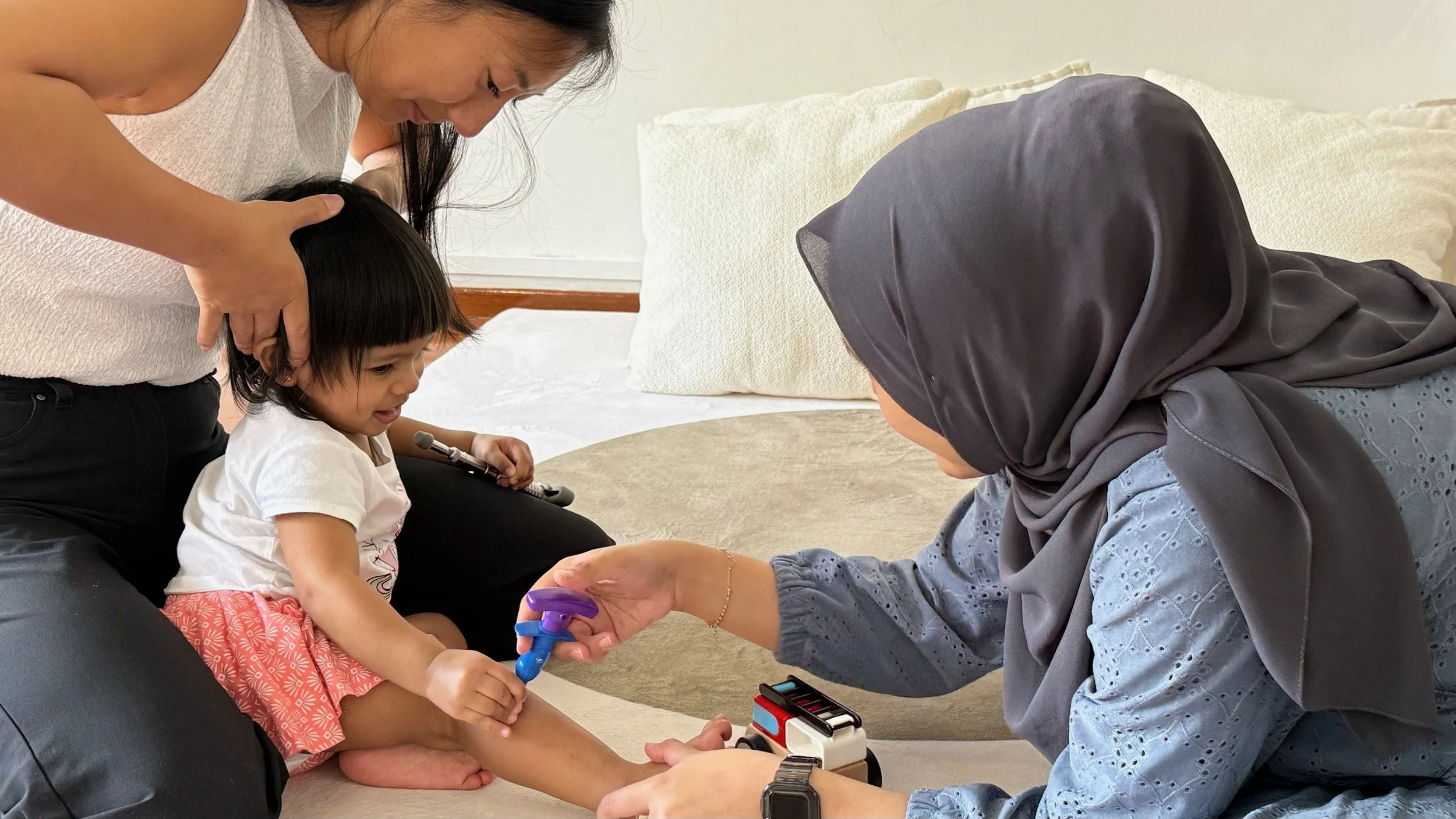
At Purely Family Chiropractic, sensory sensitivities are viewed through the lens of the nervous system, not as isolated symptoms.
The spine plays a key role in how the nervous system communicates with the body. Areas of tension or restriction can affect how sensory information is received and processed.
Gentle chiropractic care focuses on:
Reducing unnecessary tension in the nervous system
Improving communication between the brain and body
Supporting smoother regulation responses
Care is subtle, specific, and always adapted to the child’s age, comfort and cues.
Many parents notice changes not as sudden “fixes,” but as small shifts:
Clothing becomes less of a battle
Transitions feel easier (e.g. new infant care/school, social connections, new routines)
Emotional responses soften
The child appears more settled in their body
Supporting a Child Who Is Easily Overwhelmed
While professional support can be valuable, everyday understanding matters just as much.
Parents can support sensory-sensitive children by:
Observing patterns rather than reacting to moments
Allowing decompression time after stimulation
Validating feelings without amplifying them
Creating predictability where possible
Most importantly, recognising that sensitivity is not a flaw but valuable information.
Children who feel deeply often perceive the world in rich, detailed ways. When their nervous system feels supported, this sensitivity can become a strength rather than a struggle.
A Gentle Closing Thought
When small sensations feel big, it is not because a child is difficult, dramatic, or demanding. It is because their nervous system is working hard to make sense of the world.
Understanding sensory sensitivities through a nervous system lens invites compassion for the child, and for the parents navigating it alongside them.
With the right support, clarity, and patience, many children find greater ease in their bodies, allowing them to meet the world with more confidence and calm.
If you are noticing signs of sensory overload in your child and feel unsure where to begin, seeking a nervous system–centred perspective can be a meaningful first step.