Your Nervous System: The Quiet System Running Your Whole Life
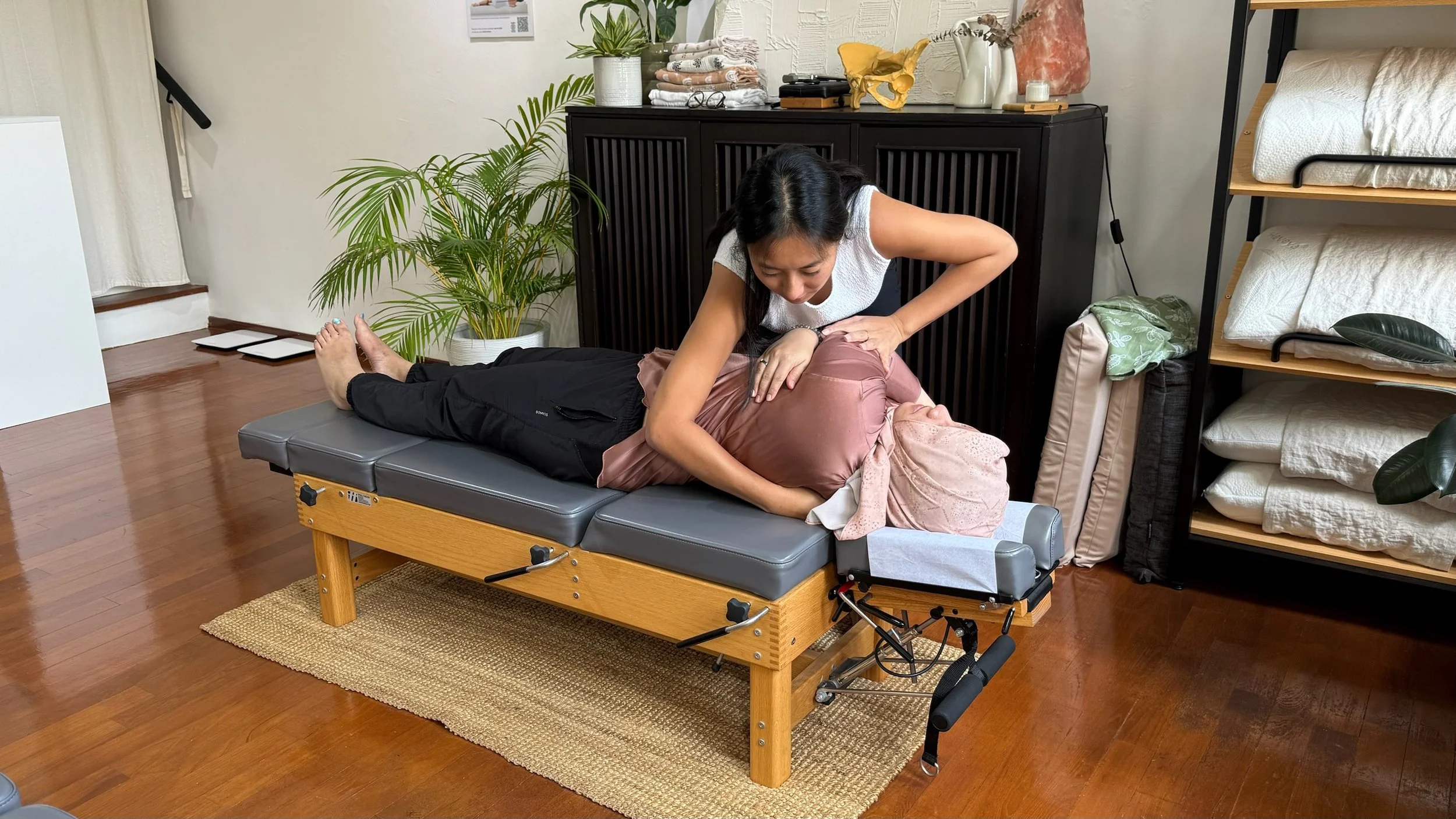
If you’ve ever visited Purely Family Chiropractic, you’ve probably heard me say something like:
“We’re supporting your nervous system.”
For many people, that sentence makes sense… but also raises a question.
What exactly is the nervous system?
It’s one of those things we learned about in school in a nerdy way, yet most of us don’t really think about it in daily life. And yet, it is quietly running everything.
Your sleep.
Your digestion.
Your child’s development.
Your stress response.
Your immune system.
Your ability to adapt to life.
The nervous system is the master coordinator of the body. And when it is functioning well, life tends to feel smoother, calmer and more regulated.
Who wouldn’t want more of that?
So let’s explore it together, in simple terms, without the medical jargon.
Imagine Your Body as a City
A helpful way to understand the nervous system is to imagine your body as a city.
The brain is the city hall, the command center where decisions are made.
The spinal cord is the main highway leaving city hall, carrying messages to every neighborhood.
The nerves are the smaller roads branching off to reach every house.
Every organ, muscle and tissue in your body is like a home in this city.
And the nervous system?
It’s the entire communication network connecting everything together.
When communication flows smoothly, the city functions beautifully.
Traffic moves. Deliveries arrive. Lights turn on. Systems coordinate.
But if communication slows down or becomes overwhelmed, things can start to feel a little chaotic.
The same thing happens inside the body.
What Your Nervous System Actually Does
Your nervous system is constantly receiving information from your environment and deciding how your body should respond.
It regulates things you consciously notice, like movement and coordination.
But it also runs thousands of things you never have to think about.
For example, right now your nervous system is controlling:
your breathing
your heart beating
your digestion
your posture
your immune response
your ability to focus
how your body reacts to stress
And it’s doing all of this every second of every day.
For children, the nervous system is also responsible for development like learning to crawl, walk, balance, speak and regulate emotions.
It’s the system that allows a baby to latch, a toddler to coordinate their movements and a child to settle into sleep after a busy day.
A Day in the Life of a Nervous System in Singapore
Let’s make this very real.
Imagine a typical morning for a family in Singapore.
A parent wakes up early after a slightly broken night of sleep because the baby stirred a few times.
Their nervous system is already adjusting and managing fatigue while preparing the body for the day.
The child wakes up next, a little overwhelmed about going to childcare.
Their nervous system is processing a lot of sensory information: the rush of the morning routine, getting dressed, leaving the comfort of home.
Meanwhile, one parent is heading into the MRT commute, navigating crowds and noise.
The other is settling the baby into a stroller while walking through the humidity to the café downstairs.
All of these experiences (the noise, the heat, the social interactions, the schedules) are being processed by the nervous system.
Every moment, it’s asking:
Is this safe?
Is this stressful?
How should the body respond?
And based on that information, it adjusts everything from heart rate to digestion to emotional regulation.
The Two Main Modes of Your Nervous System
Your nervous system operates in two main states.
You’ve probably experienced both.
The “Go Mode”
This is when the body prepares for action.
Your heart rate increases.
Your muscles become more alert.
Your brain becomes focused.
This mode helps you respond to challenges such as meeting a deadline, reacting quickly in traffic, or navigating a busy day.
It’s useful and necessary.
But we are not meant to stay here all the time.
The “Restore Mode”
This is when the body slows down and recovers.
Digestion improves.
The immune system becomes more active.
Sleep becomes deeper.
The reproductive system is at ease.
This is the state where the body heals, grows and repairs.
For babies and children, this is especially important because so much development happens in this state.
The nervous system should ideally move fluidly between these two modes throughout the day.
But modern life can make that balance harder.
When the Nervous System Becomes Overloaded
Living in a vibrant city like Singapore is wonderful in many ways.
But it also means constant stimulation.
Busy streets.
Bright lights.
Full schedules.
Work demands.
School pressures.
Travel.
Technology.
Even positive experiences can create nervous system load.
For adults, this might appear as:
neck or shoulder tension
headaches
difficulty sleeping
feeling mentally “on edge”
digestive discomfort
For children, it might look like:
trouble settling into sleep
emotional outbursts
restlessness
difficulty concentrating
frequent illnesses
constipation
These responses are not signs that something is “wrong.”
They are simply signs that the nervous system is working very hard to adapt.
Where Chiropractic Comes In
This is where chiropractic care becomes meaningful.
The spine protects the spinal cord: the main communication pathway between the brain and the body.
If we return to the city analogy, the spine is like the main highway system.
When tension or restriction develops in the spine, communication along that highway can become less efficient.
Gentle chiropractic adjustments aim to restore ease and movement along this pathway.
Not by forcing the body to do something unnatural, but by helping the nervous system function more clearly.
When the nervous system is supported, many people notice changes such as:
deeper sleep
improved digestion
calmer behaviour in children
reduced physical tension
better ability to handle stress
It’s not that chiropractic “fixes” everything.
It simply helps the body do what it already knows how to do: regulate, adapt and recover.
Why Families Often Choose Chiropractic Care
Many of the families who come to Purely Family Chiropractic are not coming because something is terribly wrong.
They come because they understand something simple: when the nervous system functions well, everything else tends to work better.
Parents bring their newborns after birth to help them adapt to the world.
Mothers come during pregnancy to support the changes happening in their body.
Children come during growth spurts, school transitions, or sports seasons.
Adults come when life becomes busy and the body needs support.
It becomes less about treating problems and more about supporting the system that runs everything.
The Quiet System That Shapes Your Life
The nervous system is often invisible.
You can’t see it the way you see muscles or bones.
But it shapes how you experience the world.
How you sleep.
How you move.
How you respond to stress.
How your child grows and develops.
And when that system is supported, the body often finds its rhythm again.
At Purely Family Chiropractic, our goal is simply to help that process along gently, thoughtfully, and in a way that respects the body’s natural intelligence.
Because sometimes the most powerful changes begin with the quiet systems we rarely think about.
And the nervous system is one of the most important of them all.